
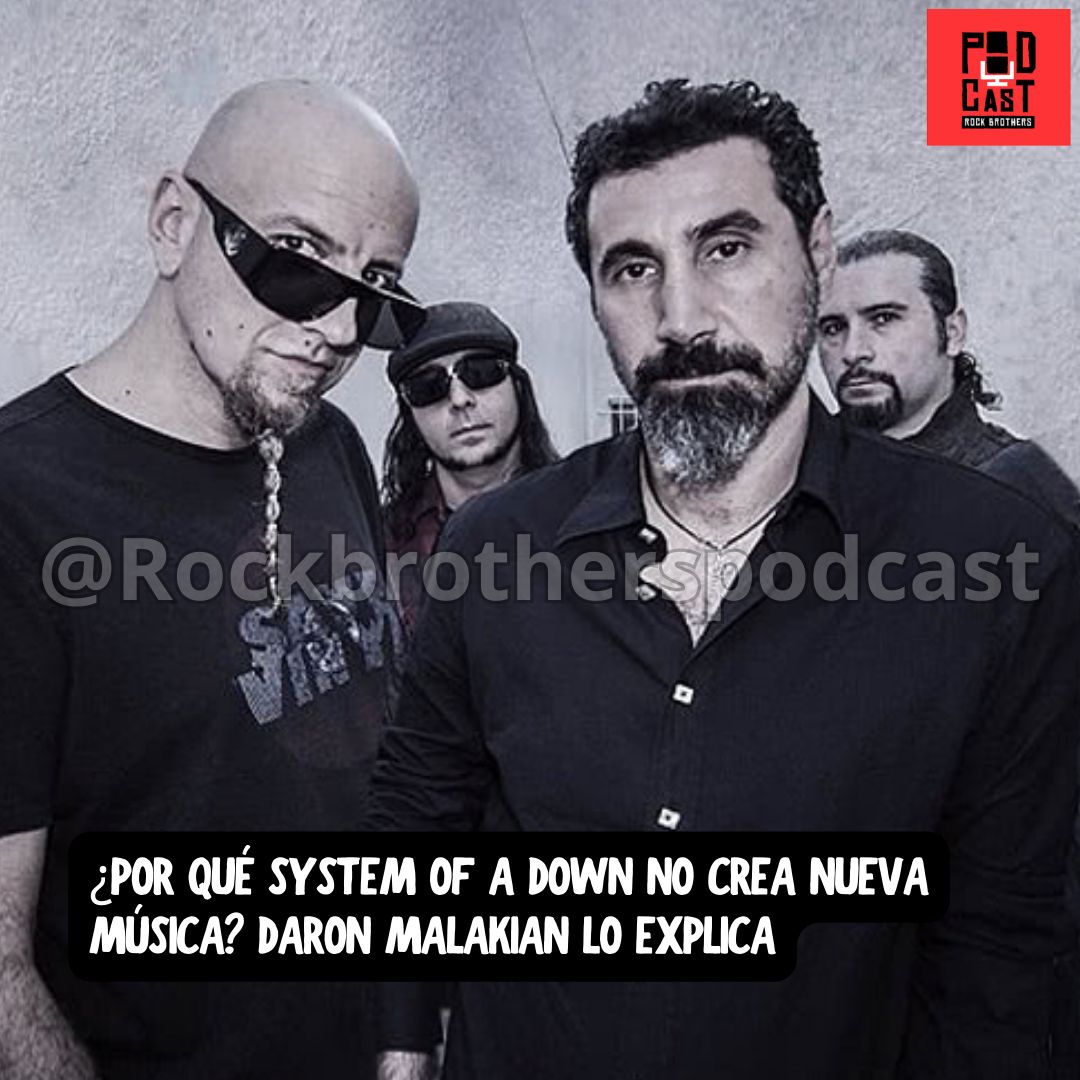
En una reciente entrevista para el programa Talk is Jericho, Daron Malakian habló sobre los motivos que han llevado a System of a Down a un silencio discográfico de casi 15 años. Mientras otras bandas en situaciones similares como Tool finalmente han anunciado próximos lanzamientos, los fans de System siguen a la espera.
El guitarrista explico que “hay fuerzas opuesta en la banda” pero que no solo se trata de Daron vs Serj Tankian (como el mismo cantante ha reconocido anteriormente) sino que los demás miembros de la banda tampoco estarían de acuerdo con la dirección que quiere tomar Tankian para la banda.
A pesar de los obstáculos, Malakian aclaró que la amistad entre los músicos no se ha deteriorado y aún disfrutan de tocar en vivo juntos y participar en festivales, sin embargo, estas diferencias creativas siguen siendo la principal razón de que probablemente, no vayamos a ver un disco pronto.
Anteriormente Serj Tankian había explicado que quería introducir más aportes creativos para equilibrar la balanza en el grupo dado que Malakian había asumido la mayoría del peso de en los discos anteriores y solía tener la última palabra en el proceso de composición.
Aquí te dejamos un breve extracto de los comentarios de Malakian en esta entrevista. Puedes revisarla completa a continuación:
«System Of A Down tenía una cierta manera de hacer los álbumes y la música, y supongo que era yo quien escribía y producía los discos junto con Rick [Rubin]. Pero Serj decidió querer hacer las cosas de una manera diferente. Y no soy solo yo, somos tres los que no necesariamente estamos de acuerdo con a dónde querría llevar Serj la banda. Así que ahí es donde estamos»




I don’t think the title of your article matches the content lol. Just kidding, mainly because I had some doubts after reading the article. https://www.binance.com/register?ref=QCGZMHR6
Fifteen years of silence can look simple from the outside, but the explanation here makes the creative stalemate feel more structural than personal. If several members disagree about the band’s direction, a reunion alone would not solve the underlying dynamics. It also explains why comparisons with other long-delayed bands can be misleading: each group has to reach its own workable artistic compromise.
A long recording gap can look simple from the outside, but the article highlights why it is not: the disagreement appears to involve more than two personalities and competing ideas about where the band should go creatively. That makes a reunion release harder than merely finding studio time. The members may still share a legacy, yet a shared direction is necessary before new material can feel coherent rather than like a compromise assembled for expectation alone.
The article makes the long silence feel less like a simple scheduling problem and more like a question of artistic direction. If the disagreement involves several members rather than only the commonly assumed Daron–Serj divide, a new release would require broader alignment on what the band should sound like. That context also explains why the wait can continue even when fans compare the situation with other bands that eventually returned to the studio. The key issue appears to be consensus, not merely time.
A long gap between releases can be especially frustrating when the public explanation points to broader disagreements instead of a simple scheduling problem. The account of opposing forces within the band suggests that the issue is not reducible to one member versus another. That makes the question of musical direction central: a reunion in the studio would require enough shared agreement on what the next record should be, not merely willingness to record.