
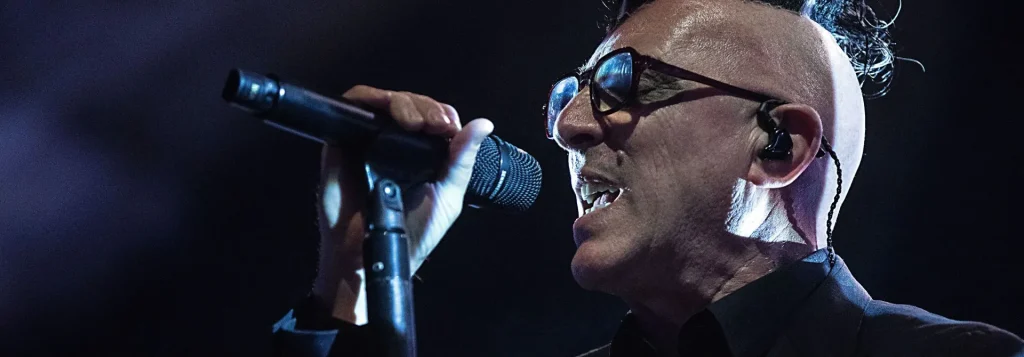
Tool frontman Maynard James Keenan recently reflected on how time has reshaped the way younger generations experience the band’s legendary catalog — and his reaction is surprisingly lighthearted.
During a recent podcast appearance, Keenan explained that when he interacts with teenagers and young adults, many of them gravitate more toward his experimental project Puscifer rather than Tool. For these younger listeners, Tool has become something closer to a classic rock act — respected, iconic, but no longer part of their “current” music culture.
In Keenan’s words, Tool now occupies the same space that bands once did for older generations: the music your parents played in the car, or something an older relative swore by. Instead of seeing this as an insult, he views it as a natural part of music’s life cycle. Every generation forms deep emotional connections to the songs of their youth, and eventually those songs become part of history.
Considering Tool launched in the early 1990s and has maintained a powerful presence for over three decades, it makes sense that a whole new generation now sees the band as veterans of the genre. Albums like Undertow, Ænima, Lateralus, and Fear Inoculum have already become milestones in modern rock and metal history.
Keenan also laughed about how this “grandpa” feeling shows up in other parts of his life — especially when it comes to modern music technology. He admitted that while working from home during the pandemic, he often needed help navigating digital recording software, joking that he felt like someone being taught how to use new gadgets for the first time.
Rather than resisting the passage of time, Keenan seems to embrace it. He recognizes that staying relevant for over 30 years is a rare achievement in the music industry, and if that means Tool is now viewed as legendary “classic” music, he’s perfectly fine with that.
In the end, the shift in perception doesn’t diminish Tool’s impact — if anything, it confirms their lasting influence. Few bands manage to cross generational boundaries and still spark conversations decades after their debut. Tool has done exactly that, evolving from a groundbreaking alternative metal act into a permanent fixture in rock history.